Bacon Disfigured
Published 4th June 2026 in the UK
Edited by Ben Ware, with contributions from Darren Ambrose, Joan Copjec, Sacha Golob, Dany Nobus, Aaron Schuster, Ben Ware, Jamieson Webster and Alenka Zupančič
Softback; 192 pages; UK RRP £25.00; ISBN: 978-0-500-96665-5
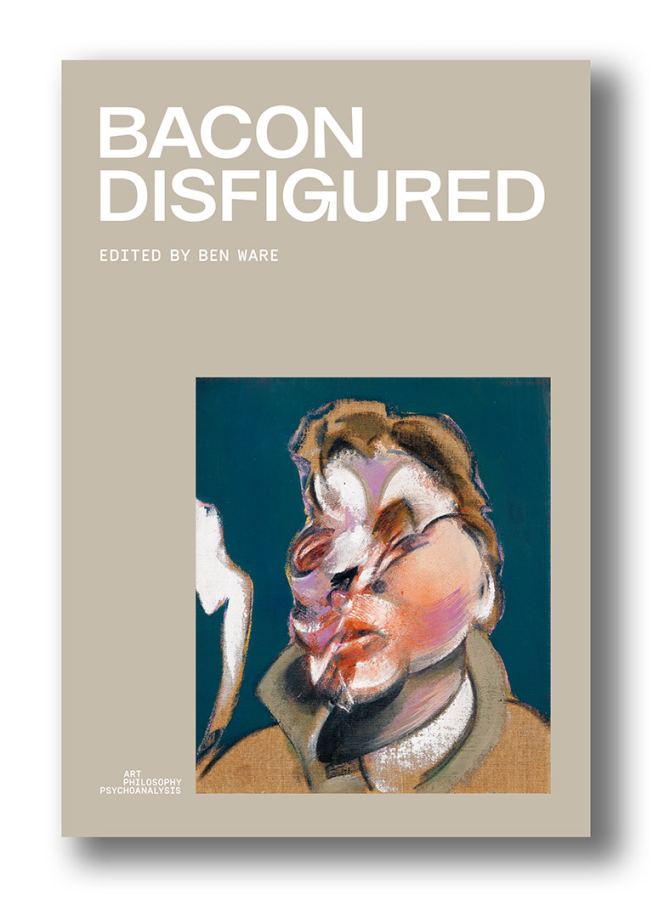
Front cover of Bacon Disfigured
Art, Philosophy, Psychoanalysis, and the Limits of the Human
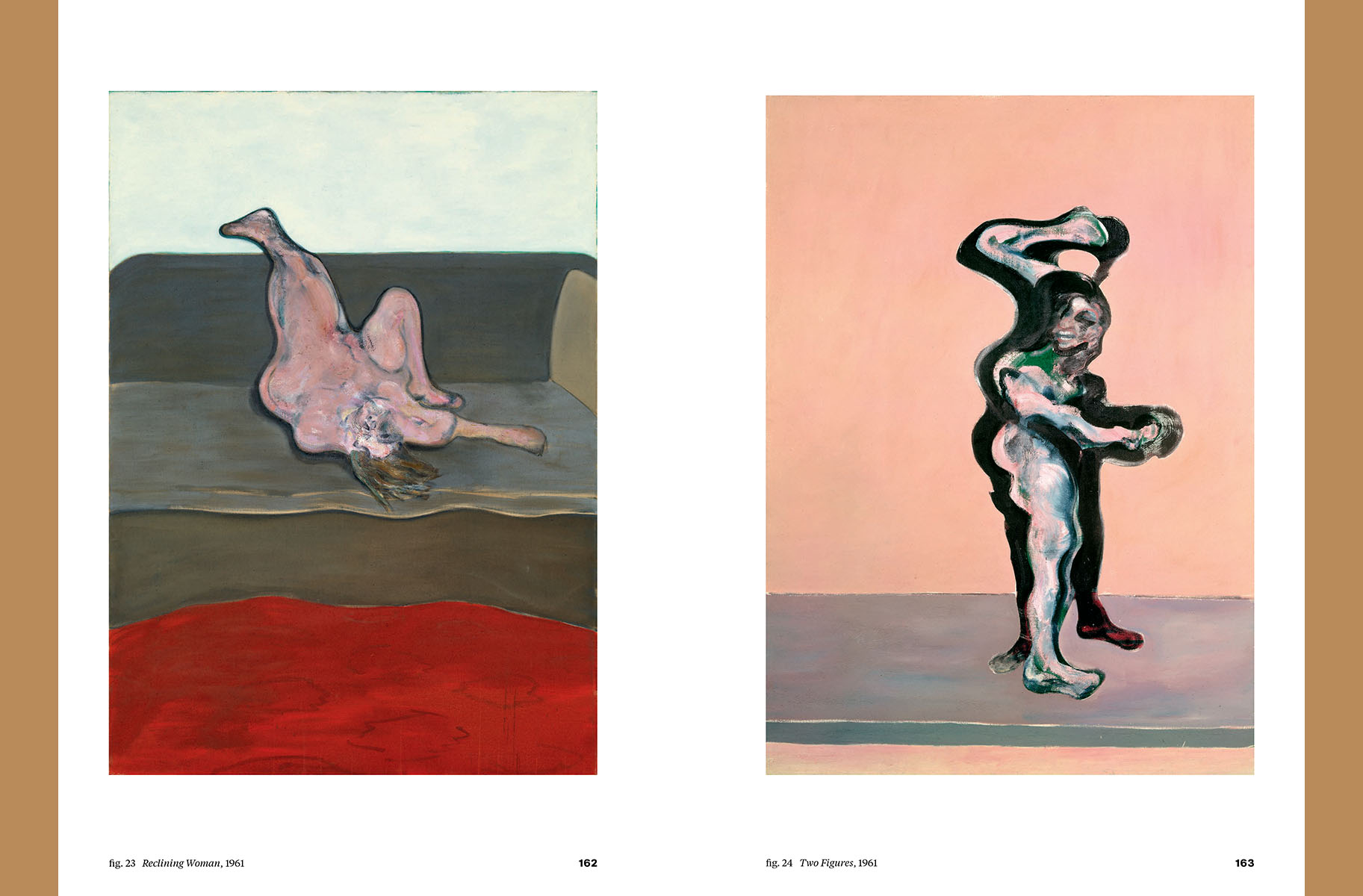
Bacon Disfigured is a groundbreaking new volume that explores the radical art and enduring enigma of Francis Bacon through the lenses of philosophy, psychoanalysis, and social critique. Bringing together leading thinkers and writers, this collection delves into the themes of disfigurement, the body, and the monstrous in Bacon’s work, revealing how his paintings challenge our understanding of realism, subjectivity, and the very limits of the human.
At the heart of the book is the concept of disfiguration: the act of wounding, distorting, or undoing the coherence of form.
As Ben Ware writes in his introduction, “To disfigure is to wound an appearance: to mar, to distort, to undo the coherence of a form. Disfiguration deprives the person, image, or thing of its recognisability, twisting it out of shape.” The essays in this volume show how Bacon’s radical distortions are not mere stylistic gestures, but expressions of a deeply held aesthetic vision—one that seeks to communicate the raw intensity of reality and the violence of lived sensation.
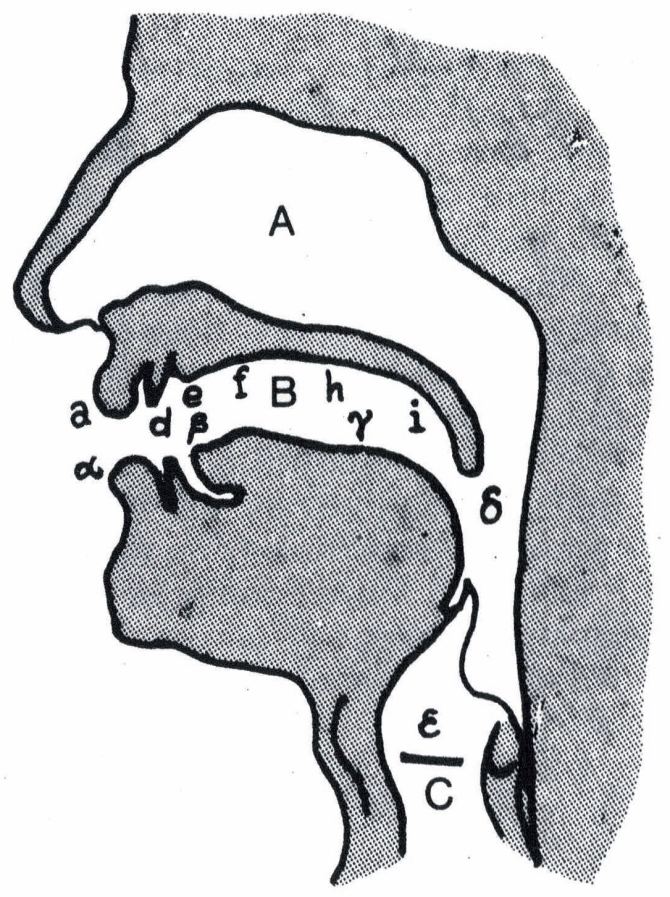
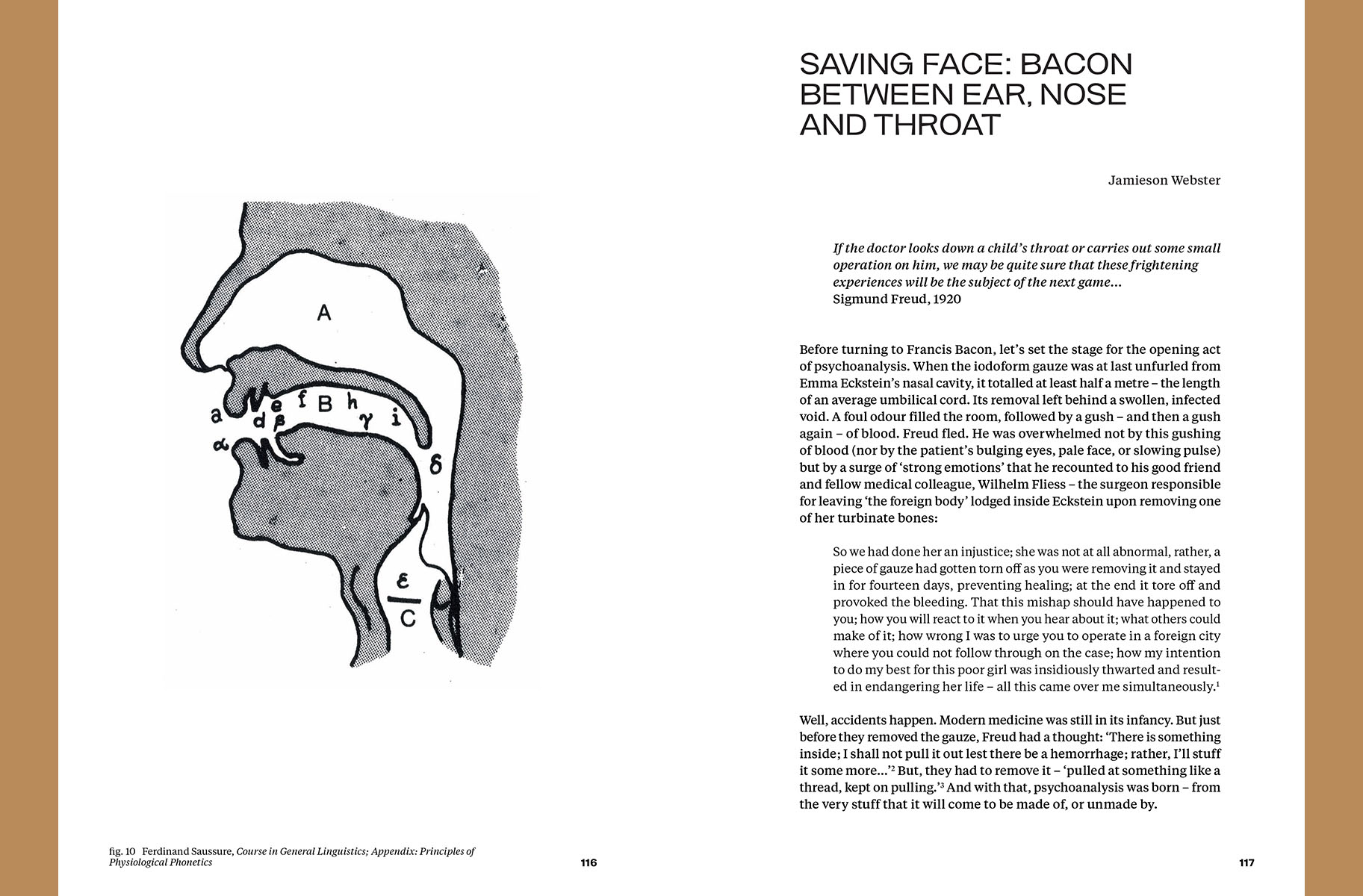
Ferdinand Saussure, Course in General Linguistics; Appendix: Principles of Physiological Phonetics, which is featured in Jamieson Webster's piece 'Saving Face: Bacon Between Ear, Nose and Throat'.
Contributors examine Bacon’s work from multiple perspectives:
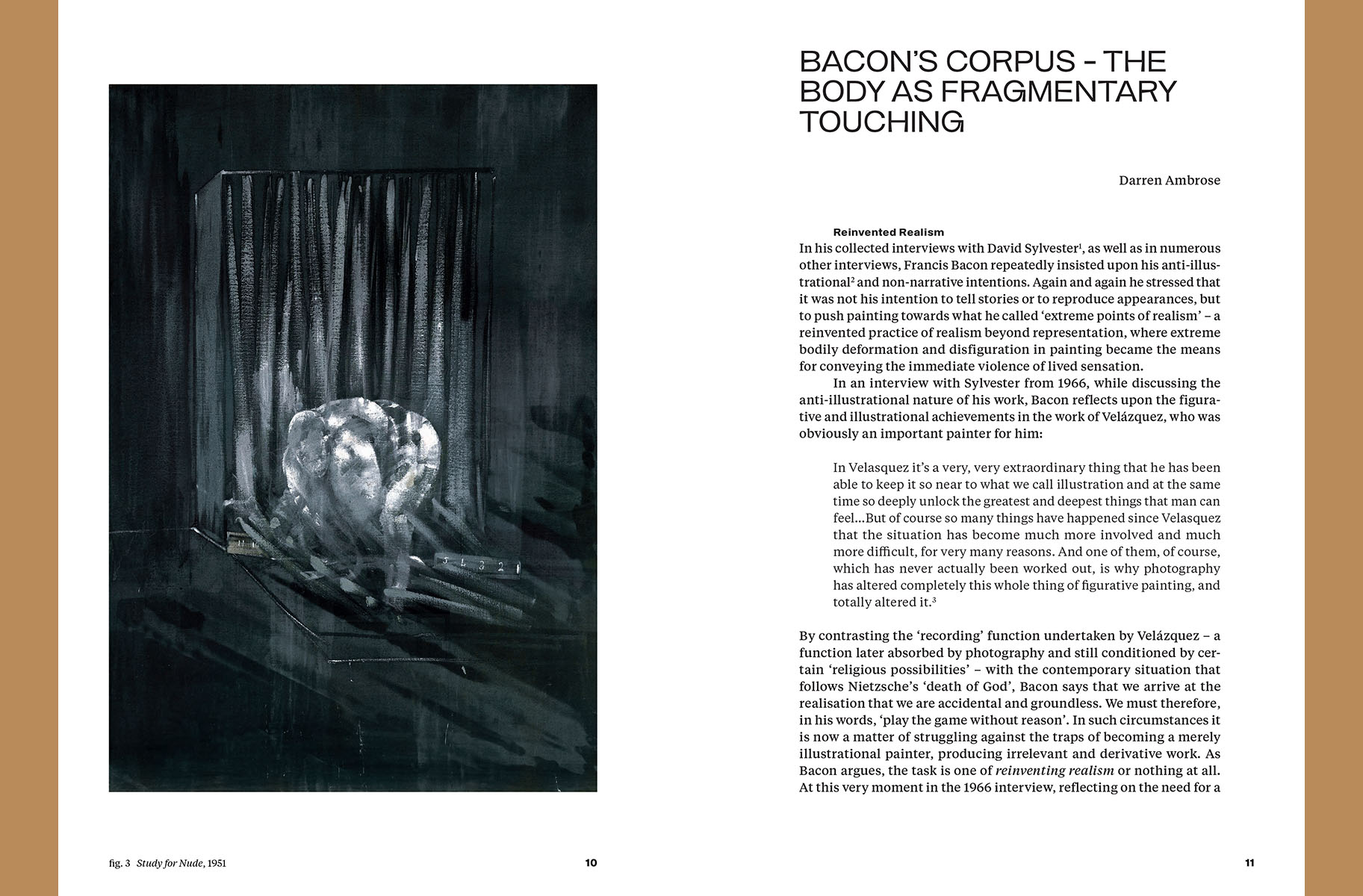
Darren Ambrose investigates the body as a site of fragmentary touching, where realism is reinvented through deformation and chance.
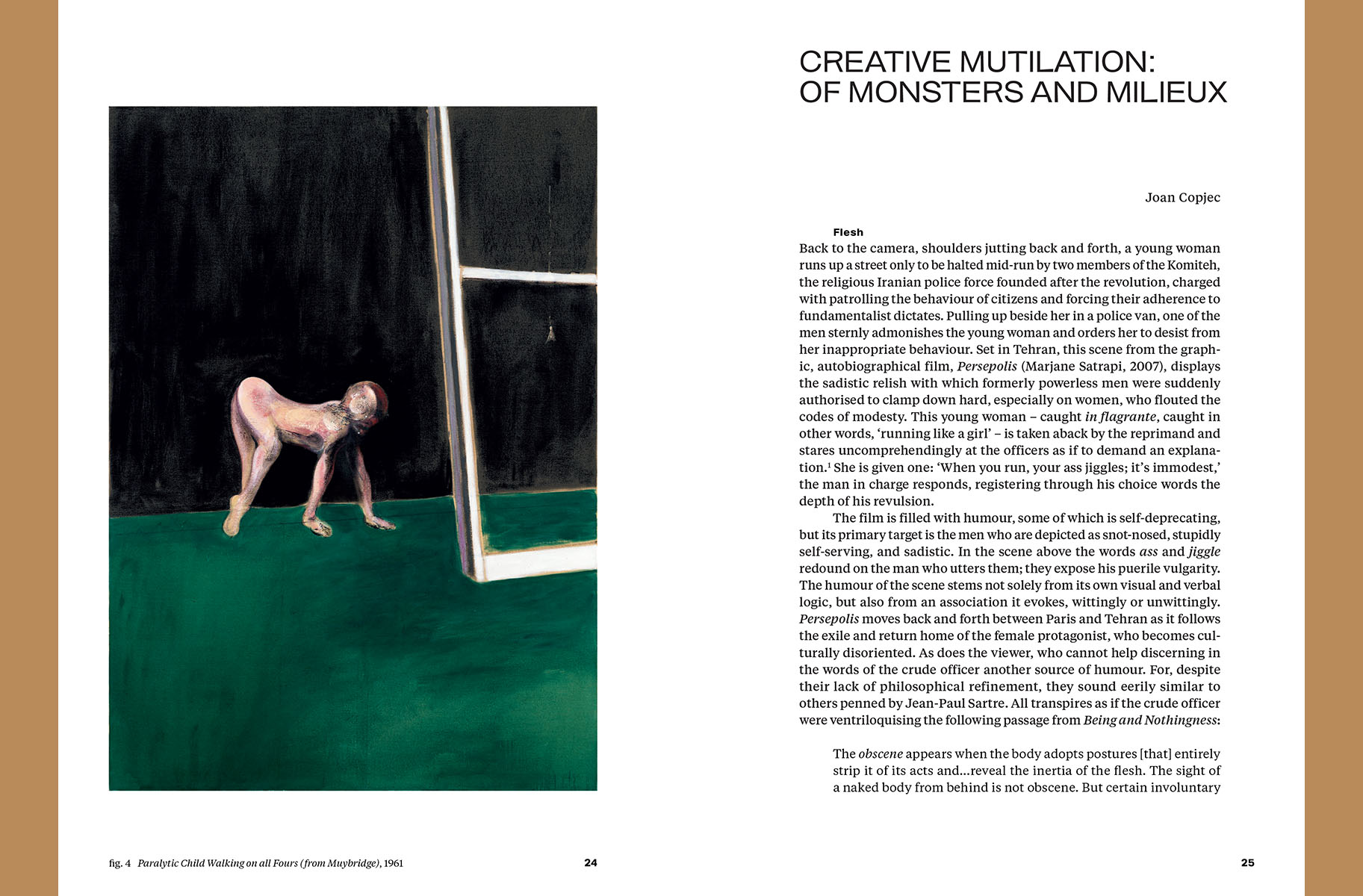
Joan Copjec explores the intersection of flesh, monstrosity, and the technological, drawing connections between Bacon’s art and the philosophy of life.
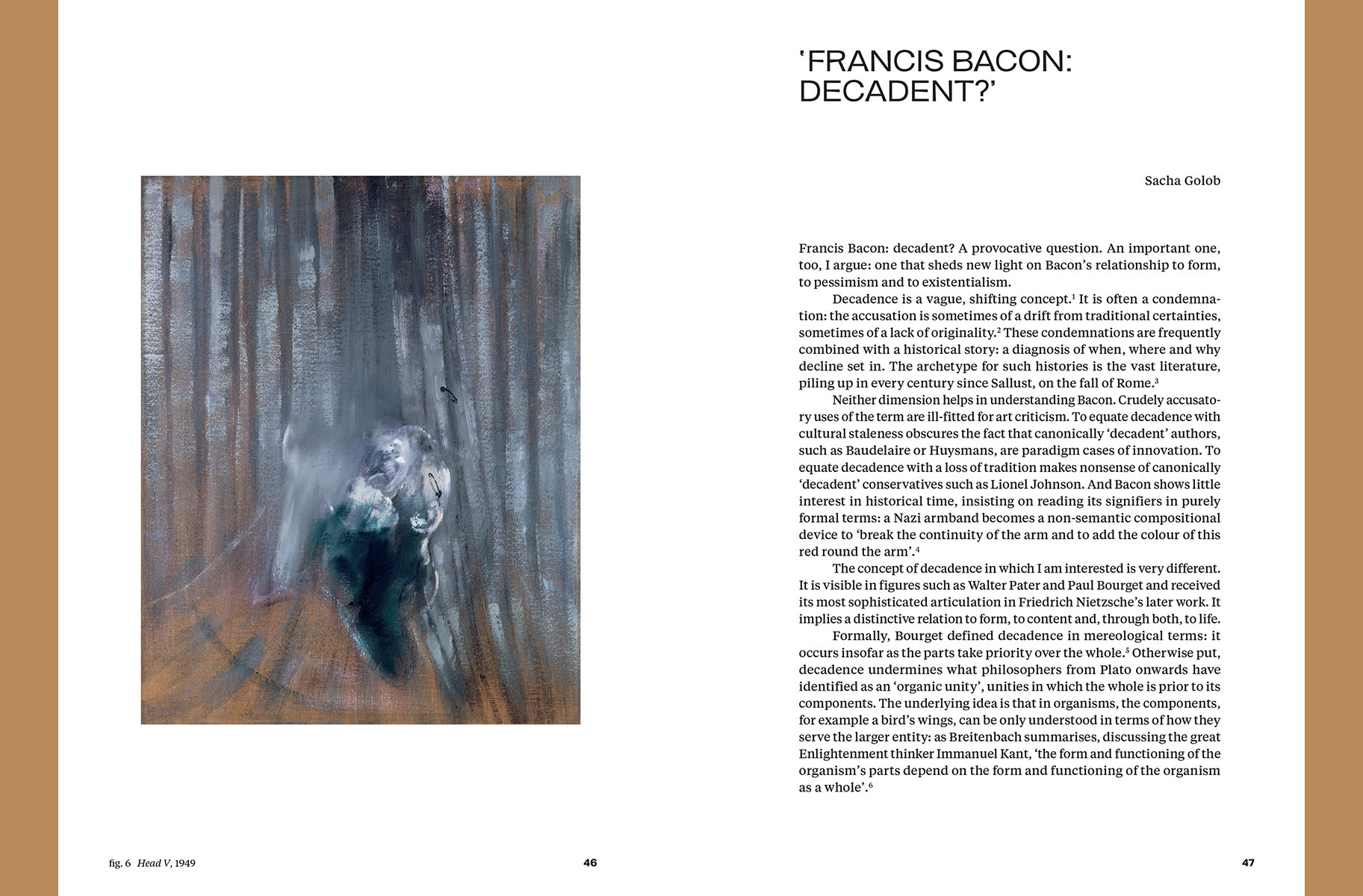
Sacha Golob asks whether Bacon is a decadent artist, situating his work in relation to Nietzschean thought and the problem of form and content.
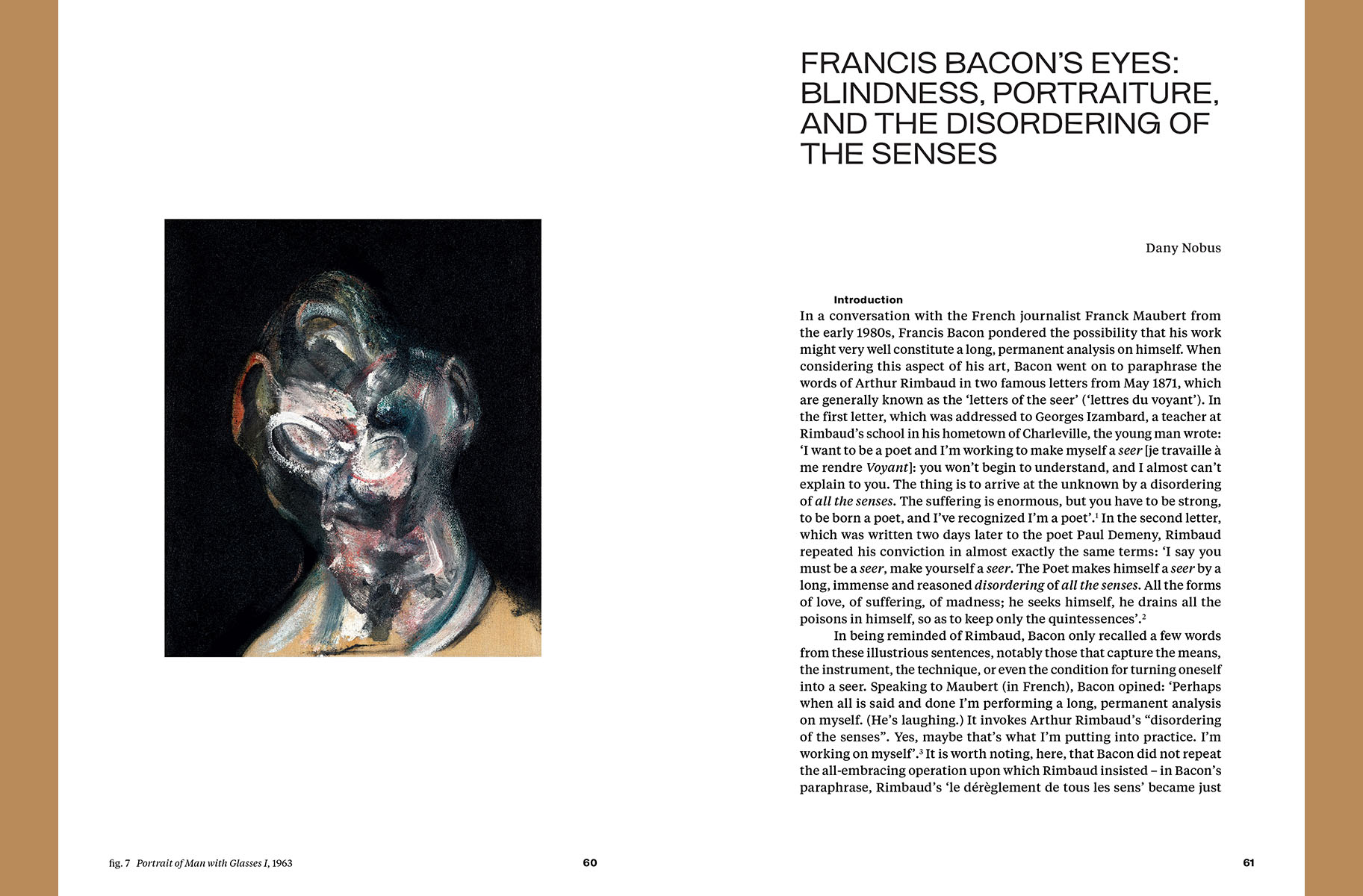
Dany Nobus considers blindness, portraiture, and the disordering of the senses, linking Bacon’s practice to the poetic tradition of the seer.
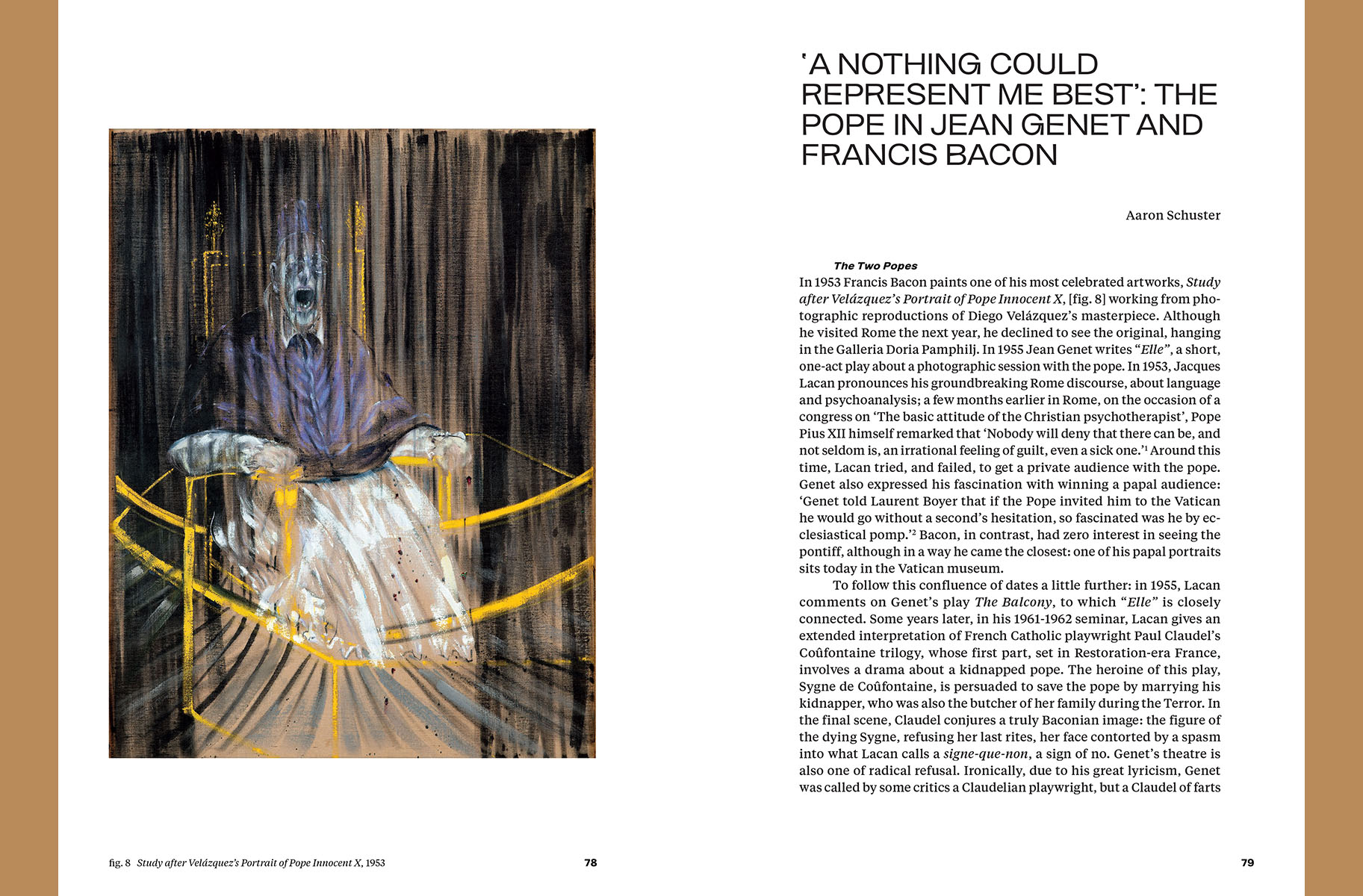
Aaron Schuster draws parallels between Bacon and Jean Genet, focusing on the figure of the Pope and the representation of nothingness and authority.
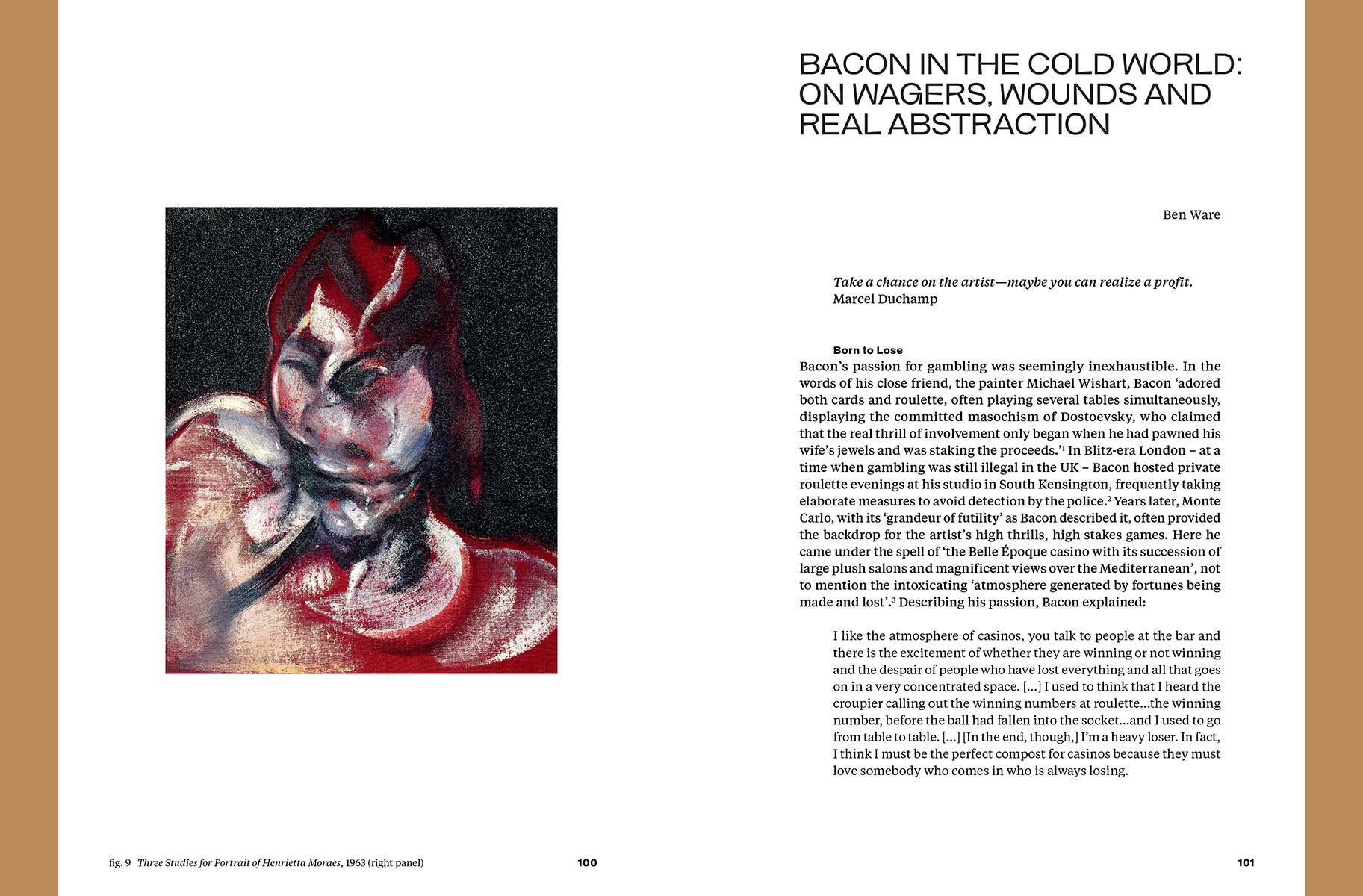
Ben Ware argues how Bacon could be described as a painter of damaged life, and his oeuvre as one of wounded modernism.
Jamieson Webster reflects on the psychoanalytic origins of disfiguration, the voice, and the face, connecting Bacon’s portraits to the primal scenes of psychoanalysis.
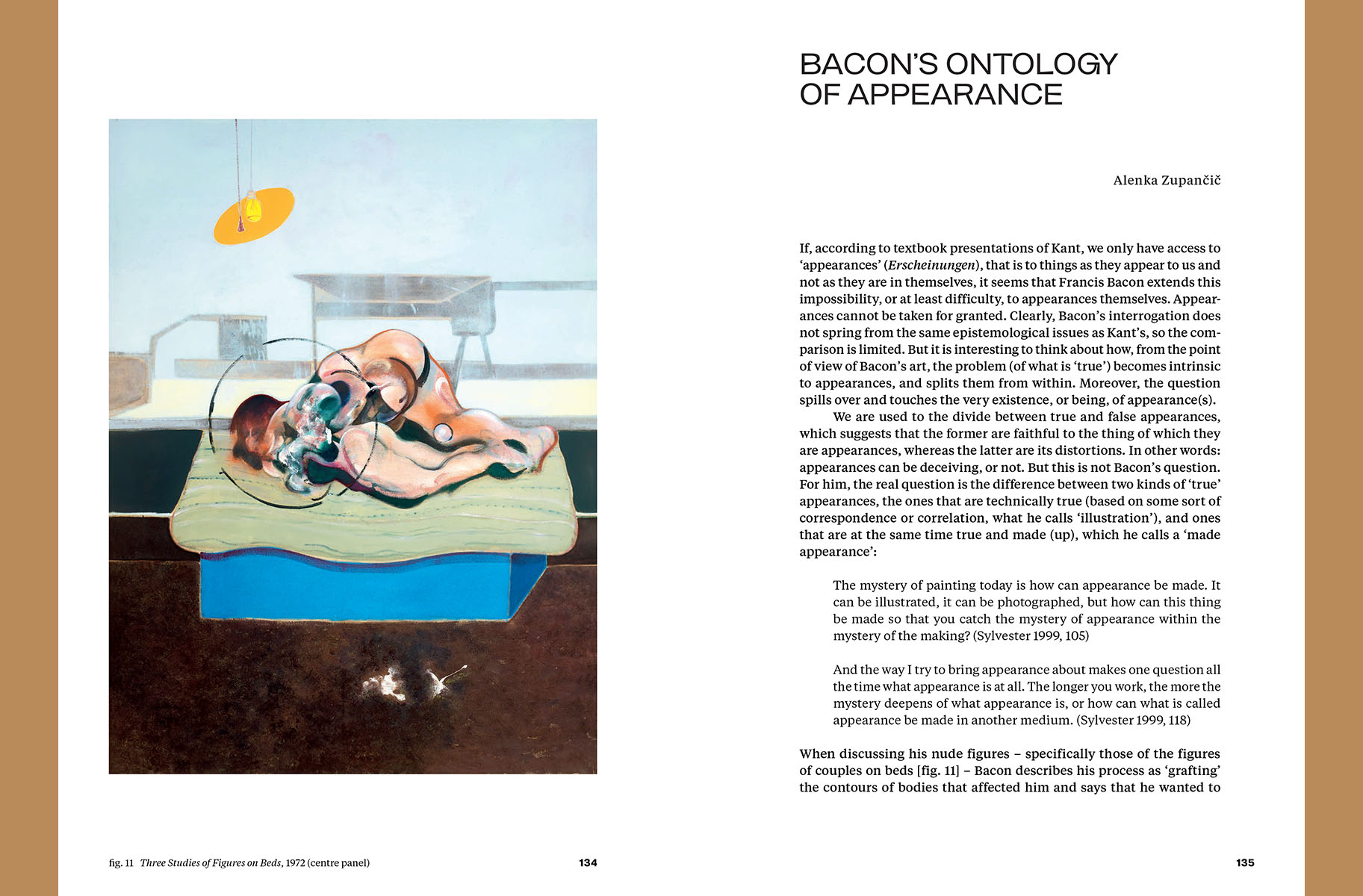
Alenka Zupančič interrogates the ontology of appearance in Bacon’s art, questioning what it means to make an appearance rather than merely illustrate it.
Bacon Disfigured is more than an art historical study—it is a philosophical and psychoanalytic event. Each essay pushes Bacon’s work beyond its familiar contexts, placing it in dialogue with thinkers such as Kant, Marx, Nietzsche, Freud, Lacan, and many others. The result is a volume that not only reinterprets Bacon, but also reimagines the possibilities of art, subjectivity, and critique in the contemporary world.
This book is essential reading for anyone interested in modern art, philosophy, psychoanalysis, and the ongoing power of the image to unsettle, disturb, and transform.
Press and Media
Please address press and media enquiries to [email protected].