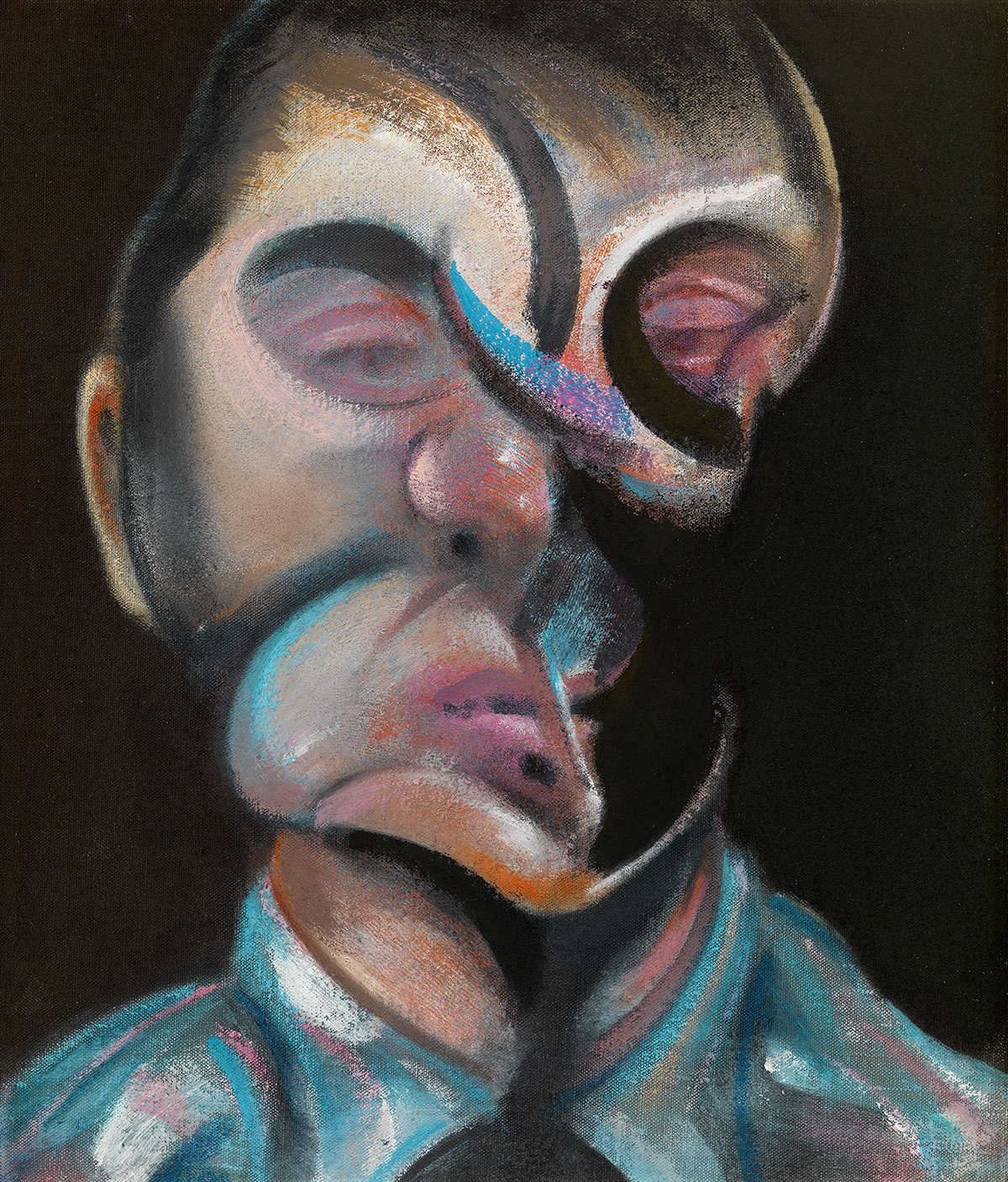
News Unidentified newspaper cutting mounted on card (detail) c. 1960 Collection: Dublin City Gallery The Hugh Lane © The Estate of Francis Bacon All CategoriesBook review (1)Catalogue Raisonné Focus (76)Display (8)Events (46)Exhibition (199)Miscellaneous (46)News (49)Offers (3)Press (46)Publication (38) Catalogue Raisonné Focus Exhibition News, Publication Events, News, Publication Press, Publication Events, News, Press, Publication Exhibition Exhibition Events News Exhibition Exhibition Exhibition Exhibition Exhibition, Miscellaneous Exhibition Exhibition Miscellaneous Events Events Exhibition Events Events Exhibition News Catalogue Raisonné Focus Miscellaneous Exhibition Miscellaneous, Press News Miscellaneous, Press Events, Exhibition Events, News, Publication Exhibition Events Events, Exhibition Exhibition Exhibition Exhibition Exhibition Exhibition Exhibition Exhibition Exhibition Events, Exhibition, Press Exhibition Exhibition Exhibition News Exhibition Catalogue Raisonné Focus Exhibition Exhibition Exhibition Events Events Display Exhibition Exhibition Exhibition, Press Exhibition Exhibition Exhibition Exhibition Publication Publication Exhibition Exhibition Events, News, Press Events, News, Press Exhibition Exhibition Exhibition Exhibition Exhibition Exhibition Press Exhibition Exhibition Exhibition Exhibition News Press Exhibition Exhibition, Press Exhibition Exhibition Exhibition Exhibition, News Exhibition Exhibition Exhibition Publication Book review News Miscellaneous, News, Press Exhibition Catalogue Raisonné Focus , Exhibition News, Publication News, Publication Catalogue Raisonné Focus Catalogue Raisonné Focus Catalogue Raisonné Focus , Exhibition Catalogue Raisonné Focus , News Catalogue Raisonné Focus Catalogue Raisonné Focus Catalogue Raisonné Focus Catalogue Raisonné Focus Catalogue Raisonné Focus Catalogue Raisonné Focus , Exhibition Catalogue Raisonné Focus , Exhibition Catalogue Raisonné Focus Catalogue Raisonné Focus Catalogue Raisonné Focus Catalogue Raisonné Focus Catalogue Raisonné Focus Catalogue Raisonné Focus Catalogue Raisonné Focus Catalogue Raisonné Focus , Exhibition, Publication Catalogue Raisonné Focus , Exhibition, Publication Catalogue Raisonné Focus Catalogue Raisonné Focus Catalogue Raisonné Focus Catalogue Raisonné Focus , Exhibition Catalogue Raisonné Focus , Exhibition, News Catalogue Raisonné Focus Catalogue Raisonné Focus Catalogue Raisonné Focus Catalogue Raisonné Focus Catalogue Raisonné Focus Catalogue Raisonné Focus Catalogue Raisonné Focus , Exhibition, Publication Catalogue Raisonné Focus Catalogue Raisonné Focus Catalogue Raisonné Focus , Exhibition Catalogue Raisonné Focus , Publication Catalogue Raisonné Focus Catalogue Raisonné Focus Catalogue Raisonné Focus Catalogue Raisonné Focus Catalogue Raisonné Focus Catalogue Raisonné Focus , News Catalogue Raisonné Focus Catalogue Raisonné Focus Catalogue Raisonné Focus Catalogue Raisonné Focus Catalogue Raisonné Focus Catalogue Raisonné Focus Catalogue Raisonné Focus Catalogue Raisonné Focus Catalogue Raisonné Focus Catalogue Raisonné Focus Catalogue Raisonné Focus Catalogue Raisonné Focus , Exhibition, Publication Catalogue Raisonné Focus Catalogue Raisonné Focus Catalogue Raisonné Focus News, Publication News, Publication Catalogue Raisonné Focus Catalogue Raisonné Focus Catalogue Raisonné Focus , Exhibition, Publication Catalogue Raisonné Focus , Exhibition, Publication Catalogue Raisonné Focus , Publication Catalogue Raisonné Focus Press Catalogue Raisonné Focus Catalogue Raisonné Focus , News Catalogue Raisonné Focus , News Catalogue Raisonné Focus , Exhibition, Publication Catalogue Raisonné Focus Catalogue Raisonné Focus Exhibition Events, Miscellaneous, Press Exhibition Exhibition Exhibition Exhibition Exhibition Miscellaneous Exhibition Events, News Exhibition Exhibition News Exhibition Events Events Display Exhibition, News Exhibition Miscellaneous, News Exhibition Exhibition Display Miscellaneous, Press Miscellaneous Miscellaneous Miscellaneous Miscellaneous News Miscellaneous Miscellaneous Miscellaneous Exhibition Exhibition, Miscellaneous Exhibition Exhibition Miscellaneous Miscellaneous Miscellaneous Exhibition Exhibition News, Press, Publication Events Offers Exhibition Exhibition News Press, Publication Events, News Press Publication Miscellaneous Events, Miscellaneous, Press Publication News, Press, Publication News, Press, Publication Exhibition, Miscellaneous Exhibition Miscellaneous Exhibition Exhibition Miscellaneous Exhibition, Miscellaneous Publication Exhibition Miscellaneous Exhibition Exhibition Exhibition Publication Exhibition Publication Publication Press, Publication News Miscellaneous News News Exhibition Press Press Exhibition Catalogue Raisonné Focus Exhibition Exhibition Miscellaneous Exhibition Exhibition Miscellaneous Miscellaneous Exhibition News, Publication News, Publication Events, Exhibition Miscellaneous, Offers Exhibition Exhibition Exhibition Exhibition Exhibition Exhibition Exhibition News Exhibition Exhibition, News, Press Exhibition Exhibition Exhibition News News Catalogue Raisonné Focus , Exhibition, Press Exhibition Exhibition News, Press News Publication Exhibition Events Exhibition Exhibition Exhibition Exhibition Events, Miscellaneous, Press Events, Miscellaneous Press Exhibition Exhibition Exhibition Exhibition Exhibition Events, Exhibition Exhibition Exhibition Exhibition Exhibition, Miscellaneous Exhibition, Miscellaneous Exhibition Exhibition Exhibition Exhibition Exhibition Exhibition Exhibition Press Exhibition Miscellaneous Exhibition Exhibition Exhibition Exhibition Publication Exhibition Exhibition Exhibition Events Exhibition Exhibition, Miscellaneous Exhibition Exhibition Exhibition Events, Exhibition, Press Events, Exhibition Exhibition Events Display News Exhibition Exhibition Miscellaneous Exhibition Press News Events, Press Exhibition Exhibition Exhibition Events, Exhibition, Press Exhibition Exhibition Exhibition Exhibition Press Events, Miscellaneous, Press Exhibition Exhibition Events Display Exhibition Exhibition Display, News Exhibition Events, Exhibition, News Exhibition Events, Exhibition News Press Press Events, Press, Publication Events, Miscellaneous, Press Miscellaneous Press Miscellaneous, Press Events, Exhibition, Press, Publication Events Exhibition Exhibition, Miscellaneous Events Exhibition Display Press Display Exhibition Events, Exhibition, Press Press Catalogue Raisonné Focus Exhibition Exhibition Offers Exhibition Events Exhibition All CategoriesBook reviewCatalogue Raisonné Focus DisplayEventsExhibitionMiscellaneousNewsOffersPressPublication TWO BACON PAINTINGS NOW ON DISPLAY AT THE NATIONAL PORTRAIT GALLERY … Display Francis Bacon: Présence humaine’ at Fondation Pierre Gianadda … Exhibition REMEMBERING DAVID LYNCH: A VISIONARY INSPIRED BY FRANCIS BACON'S ART … News CELEBRATING TEN YEARS OF THE FRANCIS BACON MB ART FOUNDATION … Exhibition National Portrait Gallery’s Francis Bacon Exhibition REIMAGINING THE BODY: TWENTIETH-CENTURY NUDES FROM TATE AT WORCESTER ART MUSEUM … Events EXPLORE FRANCIS BACON’S EXHIBITION HISTORY WITH OUR NEW SEARCH FEATURE … Exhibition "LIGHT INTO DENSITY: ABSTRACT ENCOUNTERS 1920S–1960S" — A STUDENT-CURATED EXHIBITION … Exhibition FRANCIS BACON: FIRST IMPRESSIONS - ROSE BOYT AND ALEX BOYT … Miscellaneous EXPLORING THE ART OF PRINTMAKING AT THE FRANCIS BACON MB ART FOUNDATION, MONACO … Events Book Review: Francis Bacon: A Self-Portrait in Words Book review EXPLORING FRANCIS BACON'S EARLY DESIGN WORK: A 20TH ANNIVERSARY EXHIBITION AT EAC … Events ‘THE BEAUTY OF MEAT’ - EXPLORING FRANCIS BACON'S QUEER PERSPECTIVE AT MASP … Events GWYN GRIFFITHS' MUSICAL TRIBUTE TO FRANCIS BACON … News 'JOSÉ CAPELO’, c. 1990’ - SPANISH POLICE RECOVER STOLEN FRANCIS BACON PAINTING … News PARIAH GENIUS: STEWART LEE AND IAIN SINCLAIR IN CONVERSATION … Events ‘BACON, PHILOSOPHY, AND PSYCHOANALYSIS’ AT KINGS COLLEGE LONDON … Events KAOHSIUNG MUSEUM OF FINE ARTS MARKS ITS 30TH ANNIVERSARY WITH TATE MODERN COLLABORATION … Events THREE BACON PAINTINGS UP FOR AUCTION … Events REVISIONS: FRANCIS BACON IN THE ACT OF PAINTING' – AN UPCOMING BOOK ON THE EVOLUTION OF FRANCIS BACON’S PAINTINGS … Miscellaneous ‘FRANCIS BACON PORTRAITS’ AT THE NATIONAL PORTRAIT GALLERY … Events ‘BACON IN MOSCOW’ A RADIO ADAPTATION … Miscellaneous ‘ENDLESS VARIATIONS’: AN EXPLORATION OF FRANCIS BACON AND ANDY WARHOL … Exhibition FRANCIS BACON: TO BE AN EGYPTIAN - PART 2 … Miscellaneous UNVEILING THE HIDDEN GEMS IN FRANCIS BACON'S ART - PART 1 … Catalogue Raisonné Focus FRANCIS BACON'S ELLIPTICAL ARENAS: A STUDY IN EXISTANTIAL ABSTRACTION … Catalogue Raisonné Focus THE BURLINGTON MAGAZINE - DENIS WIRTH-MILLER AND FRANCIS BACON … Press Francis Bacon: To Be An Egyptian, Part I News NEW ONLINE LISTING OF BACON'S GRAPHIC WORKS NOW AVAILABLE … Miscellaneous ‘BOWN & BACON’ DISPLAY AT THE HUGH LANE GALLERY … Events CATALOGUE RAISONNÉ FOCUS: STUDY OF A BULL, 1991 … Catalogue Raisonné Focus CATALOGUE RAISONNE FOCUS: ‘WATERCOLOUR’, 1929 Catalogue Raisonné Focus Transcending Boundaries: Brian Clarke's Journey Through Stained Glass at 'A Great Light' … Events BACON'S 'SELF-PORTRAIT', 1969 SOLD AT AUCTION … News BACON REVIEW: AN UNMISSABLE READ FOR BACON FANS … Publication BACON REVIEW: AN UNMISSABLE READ FOR BACON FANS … Publication 31st ANNIVERSARY OF BACON’S DEATH … Catalogue Raisonné Focus CATALOGUE RAISONNÉ FOCUS: STUDY FROM THE HUMAN BODY , 1991 … Catalogue Raisonné Focus CATALOGUE RAISONNÉ FOCUS: SELF-PORTRAIT WITH INJURED EYE, 1972. … Catalogue Raisonné Focus BACON TRIPTYCH IN NEW EXHIBITION – ‘IMAGES OF MAN’ … Exhibition CATALOGUE RAISONNÉ FOCUS: SELF-PORTRAIT, 1973. In this… Catalogue Raisonné Focus CAPTURING THE MOMENT – TATE MODERN EXHIBITION … Exhibition FRANCIS BACON’S STUDIO … Miscellaneous CATALOGUE RAISONNÉ FOCUS: PAINTING, 1978. … Catalogue Raisonné Focus CATALOGUE RAISONNÉ FOCUS: ‘STREET SCENE (WITH CAR IN DISTANCE)’ 1984. … Catalogue Raisonné Focus FRANCIS BACON: THE OUTSIDER … News FRANCIS BACON: IN THE MIRROR OF PHOTOGRAPHY … Exhibition CATALOGUE RAISONNÉ FOCUS: LANDSCAPE, 1952. … Catalogue Raisonné Focus CATALOGUE RAISONNÉ FOCUS: HEAD OF A MAN, 1960. … Catalogue Raisonné Focus FRIENDS AND RELATIONS: NEW GAGOSIAN EXHIBITION … Exhibition SALE OF RARE BACON WORKS MARKS 30TH ANNIVERSARY OF ARTIST’S DEATH … News CATALOGUE RAISONNÉ FOCUS: PORTRAIT OF GEORGE DYER AND LUCIAN FREUD, 1967 … Catalogue Raisonné Focus FRANCIS BACON: FRISSON … Exhibition CATALOGUE RAISONNÉ FOCUS: STUDY FOR PORTRAIT, 1971 … Catalogue Raisonné Focus FRANCIS BACON AND LUCIAN FREUD … News CATALOGUE RAISONNÉ FOCUS: PORTRAIT OF HENRIETTA MORAES ON A BLUE COUCH, 1965 … Catalogue Raisonné Focus THE ART NEWSPAPER PODCAST ON TATE’S REJECTION OF THE BARRY JOULE ARCHIVE Why did… News FRANCIS BACON: IN THE MIRROR OF PHOTOGRAPHY Thirty… Miscellaneous CATALOGUE RAISONNÉ FOCUS: THREE FIGURES IN A ROOM, 1964 … Catalogue Raisonné Focus CATALOGUE RAISONNÉ FOCUS: SEATED FIGURE, 1961. … Catalogue Raisonné Focus FRANCIS BACON: FACES AND FIGURES … Exhibition A DISCUSSION OF ‘FRANCIS BACON: THE FIRST POPE’ … Miscellaneous CATALOGUE RAISONNÉ FOCUS: STUDY FOR BULLFIGHT No. 1, 1969 … Catalogue Raisonné Focus CATALOGUE RAISONNÉ FOCUS: CROUCHING NUDE, 1961 … Catalogue Raisonné Focus FRANCIS BACON’S NEVER-BEFORE-EXHIBITED POPE TO BE DISPLAYED IN LONDON Francis Bacon’s early image of a Pope – which… Exhibition FRANCIS BACON AND THE INFLUENCE OF ANIMALS … Exhibition CATALOGUE RAISONNÉ FOCUS: FIGURE STUDY II (1945-46) … Catalogue Raisonné Focus FRANCIS BACON’S MUSES … Exhibition CATALOGUE RAISONNÉ FOCUS: SEATED FIGURE ON COUCH … Catalogue Raisonné Focus CATALOGUE RAISONNÉ FOCUS: STUDY FOR PORTRAIT OF VAN GOGH VI, 1957. … Catalogue Raisonné Focus FRANCIS BACON’S STUDIOS: A NEW EXHIBITION … Exhibition CATALOGUE RAISONNÉ FOCUS: STUDY FOR PORTRAIT (WITH TWO OWLS), 1963. … Catalogue Raisonné Focus FRANCIS BACON MB ART FOUNDATION, MONACO PUBLISH FRANCIS BACON: STUDIOS The Francis Bacon MB Art Foundation, Monaco… Publication FRANCIS BACON AND SURREALISM … Miscellaneous CATALOGUE RAISONNÉ FOCUS: STUDY FOR A PORTRAIT, 1953. … Catalogue Raisonné Focus FRANCIS BACON AND ISABEL RAWSTHORNE … Miscellaneous CATALOGUE RAISONNÉ FOCUS: TWO FIGURES AT A WINDOW, 1953. … Catalogue Raisonné Focus FRANCIS BACON AND PHOTOGRAPHY … Miscellaneous CATALOGUE RAISONNÉ FOCUS: SELF-PORTRAIT, 1956. … Catalogue Raisonné Focus FRANCIS BACON AND MICK JAGGER … Miscellaneous CATALOGUE RAISONNÉ FOCUS: INTERIOR OF A ROOM, c. 1934. … Catalogue Raisonné Focus CATALOGUE RAISONNÉ FOCUS: FIGURE WITH MEAT, 1954 … Catalogue Raisonné Focus FRANCIS BACON: SHADOWS … Publication CATALOGUE RAISONNÉ FOCUS: HEAD II, 1949 … Catalogue Raisonné Focus FRANCIS BACON AND THE INFLUENCE OF REMBRANDT VAN RIJN … Miscellaneous FRANCIS BACON’S FINAL YEARS … Miscellaneous CATALOGUE RAISONNÉ FOCUS: AFTER PICASSO ‘LA DANSE’, 1933 … Catalogue Raisonné Focus FRANCIS BACON, REINHARD HASSERT AND EDDY BATACHE … Miscellaneous CATALOGUE RAISONNÉ FOCUS: STUDY FOR PORTRAIT (AFTER THE LIFE MASK OF WILLIAM BLAKE) I, II & III … Catalogue Raisonné Focus FRANCIS BACON: REVELATIONS … Publication WILD LIFE: FRANCIS BACON AND PETER BEARD … Exhibition OUT OF THE CAGE: THE ART OF ISABEL RAWSTHORNE … Publication CATALOGUE RAISONNÉ FOCUS: STILL-LIFE – BROKEN STATUE AND SHADOW, 1984 … Catalogue Raisonné Focus Francis Bacon: Francophile - new book explores Bacon's love of France The Francis Bacon MB Art Foundation's latest… Publication CATALOGUE RAISONNÉ FOCUS: PORTRAIT OF HENRIETTA MORAES, 1963 … Catalogue Raisonné Focus FRANCIS BACON’S SLASHED CANVASES … Miscellaneous THE PAINTING MATERIALS OF FRANCIS BACON … Miscellaneous CATALOGUE RAISONNÉ FOCUS: MAN STANDING, C.1945 … Catalogue Raisonné Focus FRANCIS BACON: CURRENT EXHIBITIONS … Exhibition FRANCIS BACON AND THE INFLUENCE OF ROY DE MAISTRE … Miscellaneous CATALOGUE RAISONNÉ FOCUS: STUDY OF A BULL, 1991 … Catalogue Raisonné Focus FRANCIS BACON AND JOHN EDWARDS … Miscellaneous FRANCIS BACON: MAN AND BEAST AT THE ROYAL ACADEMY OF ARTS … Exhibition CATALOGUE RAISONNÉ FOCUS: ‘LANDSCAPE WITH COLONNADE’, C.1945 … Catalogue Raisonné Focus INSIDE FRANCIS BACON: NEW ARCHIVAL INFORMATION … Publication BOOK RELEASE: INSIDE FRANCIS BACON … Publication FRANCIS BACON AND JOHN DEAKIN John Deakin was an accomplished portrait,… Miscellaneous CATALOGUE RAISONNÉ FOCUS: ‘FIGURE IN SEA’, C.1957 … Catalogue Raisonné Focus FRANCIS BACON AND THE HUGH LANE GALLERY … Exhibition FRANCIS BACON TEACHING AND LEARNING RESOURCE … Publication CATALOGUE RAISONNÉ FOCUS: STUDY FOR CROUCHING NUDE 1952 … Catalogue Raisonné Focus FRANCIS BACON AND LUCIAN FREUD … Miscellaneous FRANCIS BACON AND THE INFLUENCE OF PICASSO … Miscellaneous CATALOGUE RAISONNÉ FOCUS: FIGURE IN A LANDSCAPE 1945 … Catalogue Raisonné Focus IN MEMORY OF PETER BEARD … News DECIPHERING AN X-RAY OF FRANCIS BACON: PAINTING 1946 … Miscellaneous CATALOGUE RAISONNÉ FOCUS: FRAGMENT OF A CRUCIFIXION … Catalogue Raisonné Focus FRANCIS BACON: TRIPTYCH INSPIRED BY THE ORESTEIA OF AESCHYLUS … News REVIEW OF THE MUSEUM OF FINE ARTS HOUSTON FRANCIS BACON: LATE PAINTINGS EXHIBITION … Exhibition CATALOGUE RAISONNÉ FOCUS: SEATED FIGURE, 1978 For this month’s Catalogue Raisonné… Catalogue Raisonné Focus BACON ON DISPLAY: BRITISH SURREALISM AT THE DULWICH PICTURE GALLERY An exhibition titled 'British Surrealism' is… Exhibition BACON BY THE BOOK: REVIEW OF EN TOUTES LETTRES EXHIBITION FOR THE BURLINGTON MAGAZINE Author of Francis Bacon: Catalogue… Exhibition CATALOGUE RAISONNÉ FOCUS: MARCHING FIGURES, 1952 … Catalogue Raisonné Focus BACON PART OF ICONS: WORSHIP AND ADORATION EXHIBITION IN GERMANY Bacon’s Fragment of a Crucifixion,… Exhibition CATALOGUE RAISONNÉ FOCUS: TWO FIGURES IN THE GRASS, 1954 For the first Catalogue Raisonné… Catalogue Raisonné Focus FRANCIS BACON MB ART FOUNDATION BOOK LAUNCHED The… News BACON EXHIBITED AT GUGGENHEIM IN NEW YORK Three Studies for a Crucifixion, 1962… Exhibition REINVENTING THE FIGURE AT THE SCOTTISH NATIONAL GALLERY OF MODERN ART The… Display BACON DISPLAYED AT FONDATION BEYELER After a four-year absence Rudolf Staechelin’s… Catalogue Raisonné Focus CATALOGUE RAISONNÉ FOCUS: HEAD I, 1948 For November’s Catalogue Raisonné Focus we are… Catalogue Raisonné Focus BACON DISPLAYED AT VENICE EXHIBITION An exhibition titled… Exhibition FRANCIS BACON: PAINTING, PHILOSOPHY, PSYCHOANALYSIS The second in the Francis Bacon Studies series… Publication FIRST PUBLIC DISPLAY OF SELF-PORTRAIT WITH INJURED EYE, 1972 Francis Bacon’s, Self- Portrait with Injured… Display CATALOGUE RAISONNÉ FOCUS: FIGURE WITH MONKEY, 1951 For this month’s Catalogue Raisonné… Catalogue Raisonné Focus CATALOGUE RAISONNÉ FOCUS: PAINTING, 1950 This month’s Catalogue Raisonné Focus is… Catalogue Raisonné Focus BACON ART IN VANCOUVER GIACOMETTI SHOW Vancouver Art Gallery’s… Exhibition MAJOR BACON EXHIBITION TO OPEN AT CENTRE POMPIDOU Following our… Exhibition CATALOGUE RAISONNÉ FOCUS: HEAD OF A MAN, 1959 For this month’s Catalogue Raisonné Focus… Catalogue Raisonné Focus BACON JOINS MONET & PICASSO AT THE ALBERTINA Austria’s Albertina Museum is currently… Display SCHOOL OF LONDON TO SHOWCASE IN ROME September sees Rome’s Dart Chiostro Del… Exhibition BACON SEASCAPE IN BRAVE NEW VISION From 17 July through 9 August, Francis Bacon’s… Exhibition CATALOGUE RAISONNÉ FOCUS: LYING FIGURE, 1959 Lying Figure is one of several Francis Bacon… Catalogue Raisonné Focus , Exhibition OEDIPUS AND THE SPHINX AFTER INGRES ON VIEW IN PORTUGAL Portugal’s Museu Coleção Berardo have… Exhibition CATALOGUE RAISONNÉ FOCUS: SAND DUNE, 1983 This month’s Catalogue Raisonné Focus… Catalogue Raisonné Focus POMPIDOU EXPLORES LITERATURE’S IMPACT ON BACON The last major French exhibition of Francis… Exhibition BACON’S COUPLINGS EXPLORED BY GAGOSIAN Gagosian London have announced… Exhibition CATALOGUE RAISONNÉ FOCUS: THREE STUDIES FOR A SELF-PORTRAIT, 1967 Gagosian in partnership with English Heritage… Catalogue Raisonné Focus STUDY FOR A HEAD ON VIEW IN US Sotheby’s are showcasing… Exhibition CATALOGUE RAISONNÉ FOCUS: SELF-PORTRAIT, 1975 On the 28th April 1992, Francis Bacon died in… Catalogue Raisonné Focus BACON JOINS VAN GOGH IN LONDON Three Francis Bacon paintings inspired by… Exhibition STUDY FOR PORTRAIT TOURS HONG KONG AND NEW YORK Francis Bacon’s… CATALOGUE RAISONNÉ FOCUS: POSTER FOR THE 1988 VAN GOGH EXHIBITION IN ARLES, 1985 Our latest flick through the… Catalogue Raisonné Focus SCHOOL OF LONDON EXHIBITION ARRIVES IN RUSSIA Following runs in… Exhibition STUDY FOR A PORTRAIT ON VIEW IN HAMBURG Francis Bacon's… Display CATALOGUE RAISONNÉ FOCUS: IN MEMORY OF GEORGE DYER, 1971 As we move swiftly into February, towards… Catalogue Raisonné Focus HATTON GALLERY HOSTS BACON & GALLAGHER EXHIBITION Francis Bacon’s painting… Exhibition BACON’S NUDE ART ON VIEW AT CENTRE POMPIDOU-METZ Francis Bacon’s painting… Exhibition CATALOGUE RAISONNÉ FOCUS: PORTRAIT OF GEORGE DYER CROUCHING, 1966 For the first Catalogue Raisonné Focus of… Catalogue Raisonné Focus 2018: YEAR IN REVIEW 2018 proved to be another exciting year for us… News FIGURE IN A ROOM ON VIEW IN SEOUL … Display CATALOGUE RAISONNÉ FOCUS: SEATED WOMAN, 1961 For 2018’s final Catalogue Raisonné Focus, we… Catalogue Raisonné Focus , News BACON’S WOMEN EXHIBITION OPENS IN NEW YORK Ordovas in New York has opened its doors to an… Exhibition FILM REVEALS COLOUR OF LOST BACON PAINTINGS The British Film Institute is showing David… Miscellaneous, News CATALOGUE RAISONNÉ FOCUS: TRIPTYCH AUGUST 1972 In celebration of a new exhibition… Catalogue Raisonné Focus , News STUDY OF HENRIETTA MORAES ON PUBLIC VIEW … Display, News BUDAPEST WELCOMES BACON AND SCHOOL OF LONDON EXHIBITION Last month saw a new exhibition,… Miscellaneous, News, Press CATALOGUE RAISONNE FOCUS: ‘PORTRAIT’ C 1930 October marks the anniversary of Francis Bacon… Catalogue Raisonné Focus , News BACON SELF-PORTRAIT DISPLAYING IN NEW YORK Bacon’s striking triptych… Exhibition MUYBRIDGE-INSPIRED PAINTING ON DISPLAY IN AMSTERDAM Francis Bacon’s painting… Exhibition CATALOGUE RAISONNÉ FOCUS: ‘PAINTED SCREEN’, C.1930 Francis Bacon is of course best known for his… Catalogue Raisonné Focus , Exhibition EXCEPTIONAL EARLY BACON WORKS DISPLAYED BY CHRISTIE’S Following public displays in Hong Kong and Los… Exhibition STOCKHOLM HOSTS STRIKING FREUD AND AUERBACH DIPTYCH Francis Bacon’s… Exhibition CRAWFORD ART GALLERY DISPLAYS BACON PAINTING & SKETCHES A new exhibition celebrating depictions of the… Exhibition EARLY BACON WORKS SHOWCASED IN FRANCE Loans from our friends at the… Exhibition CATALOGUE RAISIONNÉ FOCUS: TRIPTYCH INSPIRED BY THE ORESTEIA OF AESCHYLUS, 1981 With less than a month left to view a range of… Catalogue Raisonné Focus , Exhibition EXCITING NEW CONTENT ADDED TO OUR WEBSITE ‘Let’s say… News CATALOGUE RAISONNÉ FOCUS: FIGURE IN A LANDSCAPE, 1945 … Catalogue Raisonné Focus , Exhibition HAYWARD GALLERY PUBLISHES ARCHIVE MATERIAL FROM 1998 SHOW London’s … Exhibition, News, Press OEDIPUS AND THE SPHINX AFTER INGRES, 1983 AT MAC MARSEILLE … Exhibition CATALOGUE RAISONNÉ FOCUS: PORTRAIT OF MICHEL LEIRIS, 1976 Catalogue Raisonné Focus , Exhibition ICONIC STUDY AFTER VELÁZQUEZ’S PORTRAIT OF POPE INNOCENT X, 1953 ON DISPLAY ‘This is one of… Exhibition STUDY FOR SELF-PORTRAIT, 1976 ON DISPLAY IN NEW SOUTH WALES Francis Bacon’s … Exhibition IMPORTANT UPDATE FROM THE ESTATE OF FRANCIS BACON The Estate of Francis Bacon is extremely… News, Press CATALOGUE RAISONNÉ FOCUS: LYING FIGURE, 1961 Our Catalogue Raisonné Focus this month takes… Catalogue Raisonné Focus , Exhibition, News SERIES OF BACON PAINTINGS ON DISPLAY AT FONDATION BEYELER The Estate of Francis Bacon is thrilled that… Exhibition BACON’S CELEBRATED PAINTING OF LOVER ON DISPLAY IN NEW YORK Francis Bacon’s… Exhibition, News CATALOGUE RAISONNÉ FOCUS: TRIPTYCH 1991 For this month’s Catalogue Raisonné… Catalogue Raisonné Focus , News TATE BRITAIN CELEBRATES ‘ALL TOO HUMAN’ WITH SERIES OF EVENTS Tate Britain has announced a series of… Events, Exhibition, News VIBRANT 70s BACON PIECE EXHIBITS IN MEXICO Francis Bacon’s Two Figures with a… Exhibition PAINTING 1946 ON DISPLAY AT MOMA NEW YORK Exhibition BACON AND FREUD’S PORTRAITS OF GEORGE DYER DISPLAYED SIDE-BY-SIDE An exciting opportunity has arisen to view… Exhibition CATALOGUE RAISONNÉ FOCUS: PORTRAIT, 1962 February marks a rare UK public display… Catalogue Raisonné Focus , Publication TATE BRITAIN TO SHOWCASE RARELY SEEN BACON WORKS The Estate of Francis Bacon is… Exhibition RARELY SEEN TRIPTYCH PUBLICLY EXHIBITED BY CHRISTIE’S Rarely seen Three Studies for a Portrait, 1976… Exhibition CATALOGUE RAISONNE FOCUS: FIGURE STUDY I, 1945-46 January is often when we seek inspiration for… Catalogue Raisonné Focus , Exhibition HIGHLIGHTS OF THE YEAR: 2017 Along with looking to the future… Catalogue Raisonné Focus , Exhibition, Press TWO MORE BACON WORKS ON DISPLAY IN EDINBURGH … Exhibition All 584 BACON WORKS NOW AVAILABLE TO BROWSE ONLINE News BACON CELEBRATED WITH HISTORIC PLAQUE On the 108th anniversary of his birth, English… News CATALOGUE RAISONNÉ FOCUS: THREE STUDIES FOR A CRUCIFIXION, 1962 The next edition of our ‘Catalogue Raisonné… Press BACON WORKS AT ARoS The … Exhibition FRANCIS BACON'S WORK AT GEMEENTEMUSEUM DEN HAAG The Gemeentemuseum Den Haag in the Netherlands… Exhibition CATALOGUE RAISONNÉ FOCUS: PORTRAIT OF GEORGE DYER IN A MIRROR, 1968 For our next ‘Catalogue Raisonné Focus’, we… Catalogue Raisonné Focus , Exhibition, Publication RARELY SEEN POPES TO BE DISPLAYED AHEAD OF AUCTION Francis Bacon's Head with Raised Arm, 1955 and… Events, Exhibition TWO FIGURES ON DISPLAY AT THE FITZWILLIAM MUSEUM From 3 October 2017 to 14 January 2018,… Display Museo d’Arte della Città di Ravenna MAR- Museo d’Arte della città di Ravenna Exhibition, Miscellaneous BROWSE AND LICENSE BACON IMAGES WITH ARTIMAGE You can browse and license hundreds of Francis… News HENRIETTA MORAES ON DISPLAY AT THE NATIONAL MUSEUM CARDIFF Francis Bacon’s Henrietta Moraes, 1966, is… Exhibition CATALOGUE RAISONNÉ FOCUS: TURNING FIGURE, 1962 The next portrait to feature in our ‘… Catalogue Raisonné Focus , Exhibition, Publication STUDY FOR A PORTRAIT IN FOCUS AT TATE BRITAIN Every Tuesday, Thursday and Saturday from the… Events CATALOGUE RAISONNÉ FOCUS: THREE FIGURES IN A ROOM 1964 Our ‘Catalogué Raisonné Focus’ series… Catalogue Raisonné Focus , Publication BACON ART GRACES MUSÉE FABRE From 1 July until 5 November 2017, 29… Exhibition BACON ART TO FEATURE IN TATE'S 2018 SHOW From 28 February 2018 to 27 August 2018,… Exhibition CATALOGUE RAISONNÉ FOCUS: STUDY FOR PORTRAIT 1957 The next of Bacon’s works to feature in o...… Catalogue Raisonné Focus CATALOGUE RAISONNÉ FOCUS: STUDY FOR PORTRAIT 1957 Catalogue Raisonné Focus , Exhibition, Publication SIX WORKS ON DISPLAY AT MUSEUM FÜR GEGENWARTSKUNST SIEGEN Six Francis Bacon works are currently on … Exhibition SIX WORKS ON DISPLAY AT MUSEUM FÜR GEGENWARTSKUNST SIEGEN Exhibition CATALOGUE RAISONNÉ FOCUS: THREE FIGURES AND PORTRAIT, 1975 Our ‘Catalogué Raisonné Focus’ series… Catalogue Raisonné Focus , Exhibition, Publication CATALOGUE RAISONNÉ FOCUS: THREE FIGURES AND PORTRAIT, 1975 Catalogue Raisonné Focus , Exhibition, Publication MUSEO PICASSO MÁLAGA SHOWCASES NINE BACON WORKS Exhibition MUSEO PICASSO MÁLAGA SHOWCASES NINE BACON WORKS From 26 April to 17 September 2017, Spain's… Exhibition BACON'S VAN GOGH MASTERWORKS DISPLAYED IN WASHINGTON Francis Bacon's Study for Portrait of Van Gogh… Exhibition BACON'S VAN GOGH MASTERWORKS DISPLAYED IN WASHINGTON Exhibition FIGURE STUDY I & II ON DISPLAY TOGETHER IN EDINBURGH Francis Bacon’s Figure Study II from the… Exhibition, News FIGURE STUDY I & II ON DISPLAY TOGETHER IN EDINBURGH Exhibition BACON TRIPTYCH TO BE PUBLICLY EXHIBITED IN NEW YORK AHEAD OF AUCTION Exhibition BACON INSPIRED EXPERIMENTAL PAINTING WORKSHOP IN HULL On 29 April, commissioned by Heritage Learning… Events BACON INSPIRED EXPERIMENTAL PAINTING WORKSHOP IN HULL Events CATALOGUE RAISONNÉ FOCUS: STUDY OF A BULL, 1991 To continue our 'Catalogué Raisonné Focus'… News, Publication CATALOGUE RAISONNÉ FOCUS: STUDY OF A BULL, 1991 News, Publication FIRST BACON FOR THE BARBER INSTITUTE The Barber Institute of Fine Arts has hung a… Exhibition FIRST BACON FOR THE BARBER INSTITUTE Exhibition CATALOGUE RAISONNÉ FOCUS: HEAD VI 1949 With Francis Bacon's Head VI 1949 currently… Catalogue Raisonné Focus , Exhibition, Publication CATALOGUE RAISONNÉ FOCUS: HEAD VI 1949 Catalogue Raisonné Focus , Exhibition, Publication FRANCIS BACON TEACHING AND LEARNING RESOURCE LAUNCHED "No, I don't believe in teaching. One learns… News, Press, Publication FRANCIS BACON TEACHING AND LEARNING RESOURCE LAUNCHED News, Press, Publication BACON TO BE CELEBRATED WITH HISTORIC PLAQUE English Heritage have announced that the life… Events, News, Press BACON TO BE CELEBRATED WITH HISTORIC PLAQUE Events, News, Press FRANCISBACON.ART AND FORTHCOMING PUBLICATIONS We are excited to be announcing 'The… News, Publication FRANCISBACON.ART AND FORTHCOMING PUBLICATIONS News, Publication MARLBOROUGH HOSTS GRAPHIC WORKS OF BACON London’s Marlborough Fine Art presents a … Exhibition MARLBOROUGH HOSTS GRAPHIC WORKS OF BACON Exhibition CITY OF CULTURE HULL HOSTS BACON'S POPES Exhibition CITY OF CULTURE HULL HOSTS BACON'S POPES UK City of Culture 2017, Hull is to showcase… Exhibition HIGHLIGHTS OF THE YEAR: 2016 As the year draws to a close, we reflect… News HIGHLIGHTS OF THE YEAR: 2016 News CATALOGUE RAISONNÉ FOCUS: 'WATERCOLOUR' 1929 News, Publication CATALOGUE RAISONNÉ FOCUS: 'WATERCOLOUR' 1929 Early this year saw the … News, Publication 'FRANCIS BACON: CATALOGUE RAISONNÉ' SHORTLISTED FOR APOLLO AWARD Events, News, Press, Publication 'FRANCIS BACON: CATALOGUE RAISONNÉ' SHORTLISTED FOR APOLLO AWARD The Estate of Francis Bacon are proud to share… Press, Publication YORK ART GALLERY EXPLORES 'FLESH' WITH BACON WORK Exhibition GERMANY SHOWCASES BACON'S INVISIBLE ROOMS Exhibition NEW BILBAO SHOW EXPLORES FRANCE AND SPAIN'S INFLUENCE ON FRANCIS BACON Exhibition LAST CHANCE TO SEE MAJOR FRANCIS BACON SHOW AT TATE LIVERPOOL Exhibition 'FRANCIS BACON: CATALOGUE RAISONNÉ' ENTERS LIBRARIES News, Publication LA CALLS ON LONDON TO DISPLAY BACON, FREUD AND MORE Exhibition ANNOUNCING OUR NEW SHOP SITE AND PRODUCT RANGE Events, News, Publication 'FRANCIS BACON: CATALOGUE RAISONNÉ' PUBLISHED GLOBALLY Events, News, Publication MONACO HOSTS MAJOR BACON EXHIBITION Exhibition THOUSANDS VIEW LONDON CATALOGUE RAISONNÉ EXHIBITION Events, Exhibition, Press, Publication MAN IN BLUE VII TO BE EXHIBITED IN PARIS Events, Exhibition ANNOUNCING 'FRANCIS BACON: SIX STUDIES IN SOHO' Events, Exhibition NORWICH'S SCVA SHOWCASE NINE BACON WORKS SPANNING TWO DECADES Exhibition FRANCIS BACON FOUNDATION TO PARTICIPATE IN MONACO'S NUIT BLANCHE Events BACON DIPTYCH TO BE PUBLICLY EXHIBITED IN LONDON AND NEW YORK AHEAD OF AUCTION Exhibition FRANCIS BACON: INVISIBLE ROOMS AT TATE LIVERPOOL Exhibition FRANCIS BACON MB ART FOUNDATION PARTICIPATES IN MONACO LECTURE Events, News ESTATE DONATE BACON LITHOGRAPH TO CHARITY AUCTION Events, News BACON'S FIRST AND LAST COMPLETED PAINTINGS TO BE SHOWCASED IN MONACO Exhibition, Press SEOUL SHOWCASES BACON'S FIGURE AT A WASHBASIN, 1976 Exhibition MAJOR FRANCIS BACON EXHIBITION COMING TO MONACO Exhibition THE ESTATE OF FRANCIS BACON LAUNCH NEW WEBSITE Press FRANCIS BACON CATALOGUE RAISONNÉ TO BE PUBLISHED ON 30TH JUNE 2016 News, Press, Publication TWO STUDIES FOR PORTRAIT DISPLAYED IN NEW YORK AHEAD OF AUCTION Events, Exhibition, Press GAGOSIAN GALLERY TO SHOWCASE BACON’S LATE PAINTINGS Exhibition HEAD I PUBLICLY DISPLAYED AHEAD OF AUCTION Exhibition DEAKIN PHOTOGRAPH OF FRANCIS BACON TO BE INCLUDED IN VOGUE EXHIBITION Exhibition RARE BACON SEASCAPE DISPLAYED BY ORDOVAS Exhibition FRANCIS BACON MB ART FOUNDATION MONACO INTRODUCES ITS FIRST PUBLICATION Press, Publication BACON ART ATTENDS COLLECTION LAMBERT REOPENING Exhibition FIRST RESEARCH PROJECT SPONSORED BY THE FRANCIS BACON MB ART FOUNDATION MONACO Miscellaneous, Press 'FRANCIS BACON: INVISIBLE ROOMS' DISPLAYING IN 2016 Exhibition OWLS (1956) TRAVELS TO LIVERPOOL WITH REALITY EXHIBITION Exhibition LAST WEEKS OF 'FRANCIS BACON AND THE MASTERS' Exhibition STUDY FOR A PORTRAIT THE FOCUS OF JAMES RICHARDS' INSTALLATION AT WHITECAHPEL GALLERY Exhibition SELF-PORTRAITS TO BE EXHIBITED TO THE PUBLIC FOR THE FIRST TIME AHEAD OF AUCTION IN LONDON Events, Exhibition, Press TRIPTYCH, 1983, EXHIBITED IN DALLAS' MEADOW MUSEUM'S 50TH ANNIVERSARY CELEBRATIONS Exhibition BACON WORKS EXPLORE LIFE, DEATH, ANGUISH AND SOLITUDE IN FONDATION LUIS VUITTON SHOW Exhibition ICA LONDON PRESENT THE EXPLORATORY FRANCIS BACON ARCHIVAL DISPLAY: 'FB55' Exhibition FRANCIS BACON'S ART RECLINES WITH TRACEY EMIN'S BED Exhibition FRANCIS BACON'S PAINTINGS DUE TO BE DISPLAYED IN NEW CENTRE POMPIDOU-METZ EXHIBITION Exhibition MAJOR FRANCIS BACON EXHIBITION AT THE SAINSBURY CENTRE FOR VISUAL ARTS Exhibition ROYAL ACADEMY OF ART DISPLAYS SLEEPING FIGURE Exhibition BACON LITHOGRAPHS EXHIBITED IN LONDON Exhibition PACE LONDON DISPLAYS BACON'S JOHN EDWARDS ART Exhibition HEAD (MAN IN BLUE), 1961, DISPLAYING IN PARIS Exhibition TWO STUDIES FOR SELF-PORTRAIT TO BE EXHIBITED AND AUCTIONED IN LONDON Press BACON'S VAN GOGH PAINTING ON DISPLAY IN THE NETHERLANDS Exhibition FRANCIS BACON AND THE ART OF THE PAST Exhibition FRANCIS BACON ART ON DISPLAY IN NOTTINGHAM Exhibition BACON'S 'FIGURES IN A LANDSCAPE' DISPLAYED IN SHREWSBURY Exhibition BACON'S 'MAN WITH DOG' 1953 ON DISPLAY IN SAN DIEGO Exhibition 'PORTRAIT OF MICHEL LEIRIS' TO BE DISPLAYED IN FRANCE IN 2015 Exhibition BACON'S ‘SELF-PORTRAIT’ 1969 ON PUBLIC DISPLAY IN LONDON FOR FIRST TIME IN ALMOST 50 YEARS Exhibition FRANCIS BACON MB ART FOUNDATION TO OPEN Press GERMANY TO SHOWCASE FRANCIS BACON WORKS Exhibition ORDOVAS LONDON EXHIBITION TO FEATURE BACON ART Exhibition SCVA DUE TO DISPLAY TWO FRANCIS BACON PAINTINGS Exhibition FURTHER INFORMATION ON MCASD EXHIBITION FEATURING FRANCIS BACON ART Exhibition CURRENT FRANCIS BACON EXHIBITION HIGHLIGHTS Exhibition LYON MUSEUM OF FINE ARTS SET TO DISPLAY BACON WORKS Exhibition 'STUDY FOR A POPE III' TO BE EXHIBITED IN LONDON Exhibition RARELY SEEN BACON TRIPTYCH TO BE EXHIBITED AND AUCTIONED BY SOTHEBY’S IN LONDON Events, Exhibition, Press 'TWO FIGURES WITH A MONKEY' ON DISPLAY IN SAN DIEGO Exhibition BACON WORKS TO BE EXHIBITED AND AUCTIONED IN NEW YORK Press BACON OWNED LUCIAN FREUD PHOTOGRAPH INSPIRES NEW JASPER JOHNS EXHIBITION Exhibition GRAPHIC WORKS OF BACON EXHIBITED IN THE NETHERLANDS Exhibition FURTHER INFORMATION ON BACON MOORE EXHIBITION AT THE AGO CANADA Exhibition NEW FRANCIS BACON ART FOUNDATION SET TO OPEN IN MONACO IN AUTUMN OF 2014 Press BACON PAINTING ON DISPLAY AT STEPHEN FRIEDMAN GALLERY, LONDON Exhibition NEW CANADIAN EXHIBITION: FRANCIS BACON HENRY MOORE: TERROR AND BEAUTY Exhibition BACON TRIPTYCH ON DISPLAY IN AMSTERDAM Exhibition FREE BACON TALK AT MANCHESTER ART GALLERY Events, Exhibition FRANCIS BACON: THE CATALOGUE RAISONNE. Edited by Martin Harrison - FINAL CALL FOR WORKS Press, Publication BACON ART TO BE EXHIBITED AND AUCTIONED IN LONDON Events, Exhibition, Press BACON MOORE EXHIBITION BREAKS RECORDS AT THE ASHMOLEAN MUSEUM Exhibition, Press ESTATE LOANS BACON PAINTING TO TATE MODERN Exhibition BACON FEATURES IN MAJOR EAST ANGLIA EXHIBITION Exhibition FRANCIS BACON ART DISPLAYS IN 2014 Exhibition BACON WORKS DISPLAYED IN MOSCOW Exhibition Tate Series Sees Music and Film Meet Francis Bacon Events, Exhibition A Piece of Francis Bacon's Early Interior Design Work is on Display at the MAM Paris Exhibition Bacon's 'Painting March, 1985' On Display In Nottingham Exhibition Ashmolean hosts Martin Harrison lecture: 'Bacon and Sculpture' Events, Exhibition 'Study for Portrait of Van Gogh VI' Displayed At The Holburne Museum Exhibition Week Long Sale At Our Official Shop Offers Francis Bacon Works Currently Exhibiting In Milan Exhibition The Telegraph reports John Edwards' brother judged to have sold fake Bacon drawings* Press Ashmolean hosts Curator's Talk on Bacon Moore Exhibition Events Austria's Albertina Tours Francis Bacon Art in Liechtenstein Exhibition Bacon Art Showcased In Unique Netherlands Exhibition Exhibition Bacon and Rodin Inspired Dance: 'The Modulated Body' Performed Again Exhibition Sun Sets on the Exhibition 'Francis Bacon' in Japan Exhibition 'Francis Bacon Henry Moore: Flesh and Bone' Update Exhibition Bacon Artwork in Tate Video: 'Meet 500 years of British Art - Room: 1940' Exhibition Francis Bacon's 'Head VI' Chosen by You to Feature in Art Everywhere's Vast UK Exhibition Exhibition Bacon's 'Self-Portrait' 1956 Displayed in the Modern Art Museum of Fort Worth Permanent Collection Exhibition Exhibition 'Three Figures in a Room' (1964) to Feature in Musée d'Orsay Exhibition Exhibition Announcing The UK Exhibition 'Francis Bacon / Henry Moore: Flesh and Bones' Exhibition Public Invited to Curate British Masterpieces for World's Largest Art Gallery Exhibition 'Study for a Portrait of Van Gogh VI' to Feature in 2014 MIMA Exhibition Exhibition Two Bacon Works to be Exhibited and Auctioned by Sotheby's London Press TOYOTA MUNICIPAL MUSEUM OF ART WELCOMES 'FRANCIS BACON' EXHIBITION THIS WEEKEND Exhibition Francis Bacon's 'Painting March 1985' to be Exhibited and Auctioned by Christie's in Paris Press Francis Bacon included in Tate Britain's New Presentation of the 'World's Greatest Collection of British Art' Francis Bacon art is included in the Tate… Exhibition Bacon's 'Study for Portrait' to be Auctioned in Christie's Post-War and Contemporary Evening Sale Press Bacon Art Features in Special Exhibition Touring North America Exhibition Wouter Davidts Lecture 'Displacement and Reconstruction: The Francis Bacon Studio, Hugh Lane Gallery, Dublin' Events Francis Bacon Masterpiece Features in Monumental Canadian Exhibition Exhibition The Legendary Colony Room with Sophie Parkin Events, Press, Publication Francis Bacon's 'Study for a Portrait of P.L.' being exhibited and auctioned by Sotheby's Press 'Francis Bacon's Studio' lecture at Tokyo MOMAT Events Last chance to see 'Movement and Gravity: Bacon and Rodin in Dialogue' Exhibition Japan welcomes the first ‘Francis Bacon’ retrospective in 30 years Exhibition New Manchester Art Gallery display featuring Francis Bacon Exhibition 'Francis Bacon: Works of Art (1966-1991) The vision of the human condition' Exhibition Little known painter's work hides Bacon scraps on reverse Press New Belgium exhibition: ‘Changing States: Contemporary Irish Art & Francis Bacon’s Studio’ Exhibition Sotheby's Contemporary Art Evening Auction, London Press London exhibition - ‘Movement and Gravity: Bacon and Rodin in dialogue’ Exhibition Upcoming 'Francis Bacon' exhibition in Japan Exhibition Sad news... Press Raphael to Picasso: Stories of gazes, faces and figures Exhibition Save the date: Bacon’s Books Symposium Events, Press Francis Bacon Online Shop: New Look! Miscellaneous Francis Bacon Symposium: Francis Bacon's Books Events, Miscellaneous, Press 'The Grotesque Factor' - Museo Picasso Málaga, Spain Exhibition, Miscellaneous Francis Bacon and the Existential Condition in Contemporary Art Exhibition, Miscellaneous Francis Bacon: Five Decades - Short Trailer Exhibition, Miscellaneous Achica Living July 2012 Miscellaneous, Press Press Release "Francis Bacon: Five Decades" Exhibition, Miscellaneous aMuse Magazine July 2012 Miscellaneous, Press The Upcoming Miscellaneous, Press Francis Bacon to Paula Rego: Great Artists Exhibition, Miscellaneous Late Self-Portrait by Francis Bacon to come at auction Events, Miscellaneous, Press Free shipping on all posters Miscellaneous, Offers Sotheby's June Auction, London Events, Miscellaneous, Press Lecture "Francis Bacon: Gravity" by Martin Harrison Events, Miscellaneous Christie's Post-War & Contemporary Art Auction Events, Miscellaneous, Press Traces of Time Exhibition, Miscellaneous Retrospective in Sydney Exhibition The New Elizabethans Events, Miscellaneous, Press Museo d'Arte della Città di Ravenna Exhibition, Miscellaneous Francis Bacon iBook Offers Stay updated, subscribe to the newsletter Sign up today